Benefits of restorative dentistry
Restorations do more than fix damage. They protect neighboring teeth, help prevent gum problems and lower the risk of bone loss. A crown keeps a weak tooth from breaking; an implant keeps the jawbone strong and stops teeth from drifting. Treating problems early means fewer complications and more comfortable chewing.
Direct and indirect restorations
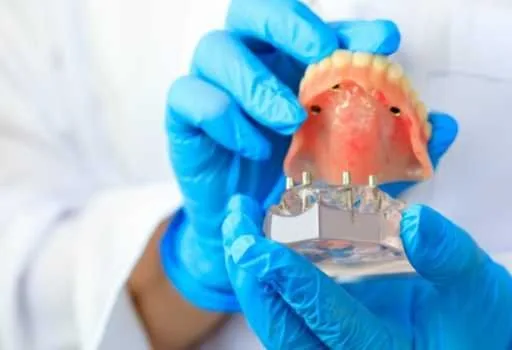
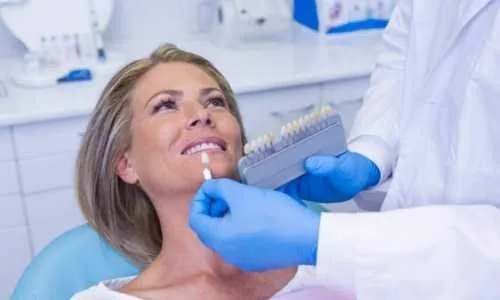
Direct restorations are done in one visit, right in the mouth, like tooth-colored fillings. Indirect restorations are made to fit outside the mouth, like inlays, onlays, veneers and crowns, and are best for larger damage. Bridges, implants and dentures replace missing teeth. Dr. Raza Baig will recommend what fits your tooth and your budget.
Care for every age
- Children and teens: repairs that protect developing teeth and allow for growth.
- Adults: fixing worn or damaged teeth with attention to both function and appearance.
- Seniors: comfortable options like dentures and bridges that support overall health.
Most care happens here under one roof. If you need a treatment we don’t provide, we’ll refer you to a trusted specialist.
Frequently asked questions
What’s the most common restoration?
Tooth-colored fillings for cavities. Larger damage usually needs an inlay, onlay or crown.
How do I replace a missing tooth?
With an implant, a bridge or a partial denture. We’ll compare cost, comfort and how long each lasts for your situation.
Are tooth-colored fillings as strong as silver ones?
Modern composite fillings are strong and durable for most teeth, and they bond to the tooth and blend in.
Does insurance cover restorative work?
Most plans cover part of fillings, crowns and bridges. We’ll check your benefits and offer payment options for the rest.