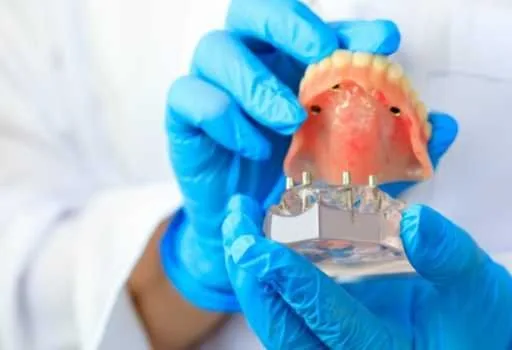
What a dental crown does
A crown is a custom cap that covers the whole tooth. It protects weak teeth from breaking, covers large fillings, finishes a tooth after a root canal and tops a dental implant. Crowns are shade-matched to your teeth, so they look natural.
How bridges work with crowns
A bridge closes the gap left by a missing tooth. The teeth on either side are reshaped and capped with crowns, which hold a replacement tooth in between. Together they restore your bite and your smile. If you’d rather not reshape healthy teeth, a dental implant may be the better choice.
Why patients get crowns
- Protect a cracked or heavily filled tooth from breaking
- Restore a tooth after a root canal
- Prevent tooth loss and the bigger, costlier problems that follow
- Keep your bite stable and stop teeth from shifting
- Improve the look of a discolored or misshapen tooth
Getting a crown, step by step
- Exam. We check the tooth and treat any decay or infection first. If an old crown needs replacing, we remove it.
- Preparation. We numb the area and gently shape the tooth so the crown fits, then take a digital scan.
- Fitting. With same-day crown technology, most crowns are made and fitted the same visit. If yours is made by a lab, you’ll wear a temporary crown until it’s ready. We check the fit and bite, then bond it in place.
Frequently asked questions
Does getting a crown hurt?
We numb the area, so you shouldn’t feel pain. Mild sensitivity for a few days afterward is normal. If soreness lasts, call us so we can check the fit.
Will my crown look natural?
Yes. We match the shade to your teeth, so modern crowns are hard to tell apart from natural ones.
How long do crowns last?
Usually 5 to 15 years or more, depending on the material and your habits. Regular check-ups help us spot wear early.
Does insurance cover crowns?
Crowns that are part of treating decay or damage are often covered in part. The material affects cost, so we’ll review options and your coverage with you.
What are the alternatives to a crown?
For smaller damage, a filling, inlay or onlay may be enough. If a tooth can’t be saved, extraction followed by an implant or bridge may be best. We’ll go over the options.