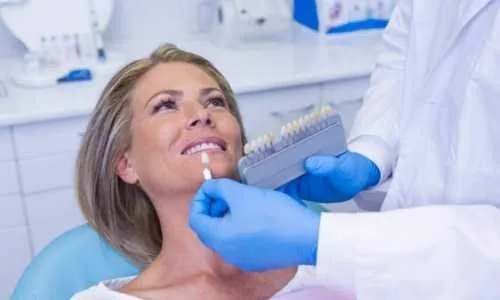
Why prevention matters
Small problems are easier, cheaper and more comfortable to fix when we catch them early. Your mouth is also connected to your overall health: gum disease has been linked to heart disease and makes conditions like diabetes harder to manage. Regular care protects both.
How often to visit
Most people do well with a visit every six months. If you get cavities often or have a history of gum disease, you may need to come more often; if your teeth and gums are very healthy, less. Dr. Natalie Sokoloff and our team review your history and recommend the schedule that fits you.
What happens at a cleaning
We check your teeth and gums for early signs of decay, inflammation or other problems, taking X-rays when needed. Then we remove plaque and tartar, polish your teeth, floss and rinse. For gum disease, we may recommend a deep cleaning below the gumline, done with numbing for comfort.
Fluoride and sealants
Fluoride strengthens enamel and makes teeth more resistant to cavities. It helps children and teens most, but adults at higher risk benefit too. Sealants are thin protective coatings on the chewing surfaces of back teeth, where most cavities start. They’re quick, painless and last for years.
Everyday habits that help
Brush twice a day with fluoride toothpaste, floss daily, limit sugary and acidic snacks and drinks, drink water and avoid tobacco. These habits, plus regular visits, keep teeth strong and gums healthy.
Frequently asked questions
How often should I have a check-up?
Most patients every six months. We may suggest more frequent visits depending on your oral health.
What’s included in a preventive visit?
A thorough exam, professional cleaning, oral cancer screening, digital X-rays when needed, and advice for caring for your teeth at home.
Do children need preventive care?
Yes. It catches decay early, guides healthy development and builds good habits. Fluoride and sealants add extra protection for kids. See pediatric dentistry.
Is preventive care covered by insurance?
Most plans cover exams, cleanings and X-rays, often at little or no cost. We’ll help you understand your coverage before your visit.
Can preventive care help with health conditions?
Yes. It’s especially important for people with diabetes, heart disease or breathing problems, because oral health is linked to overall health.